
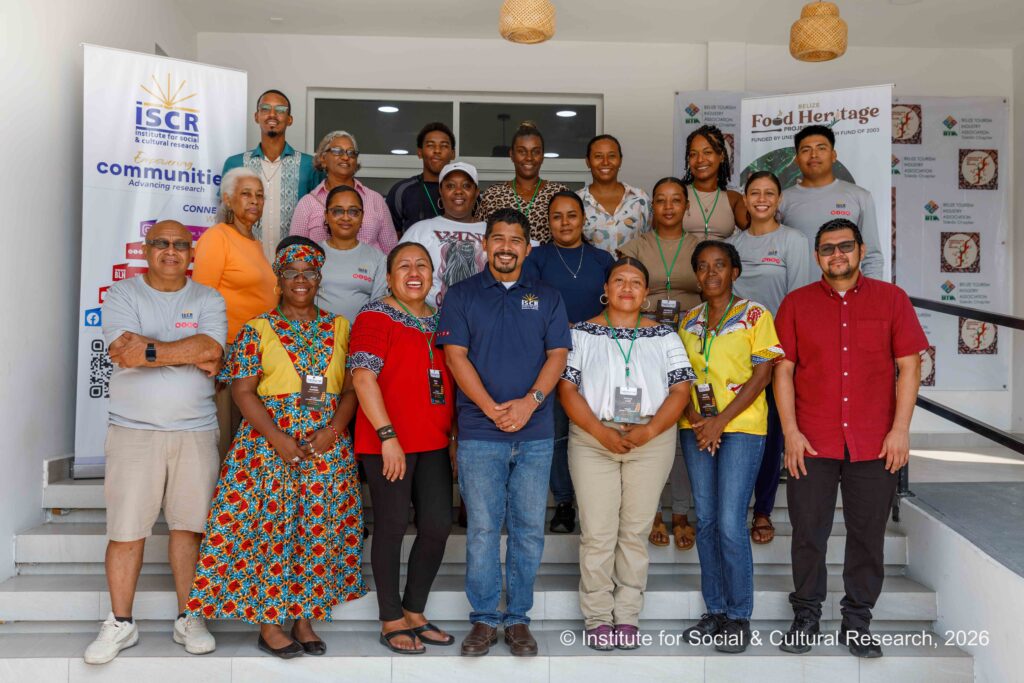
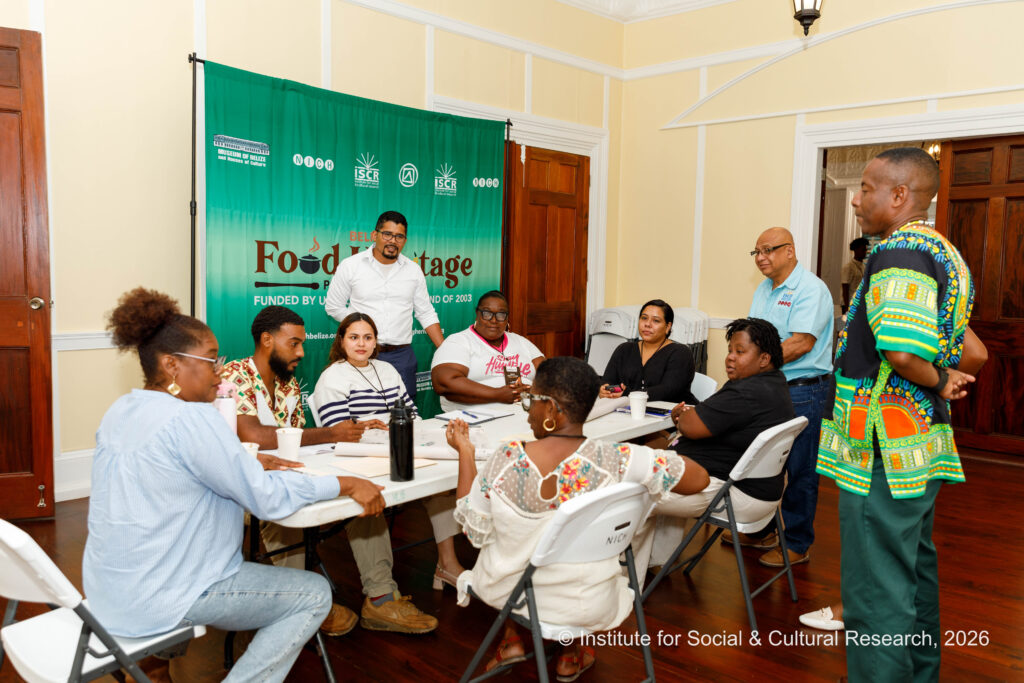
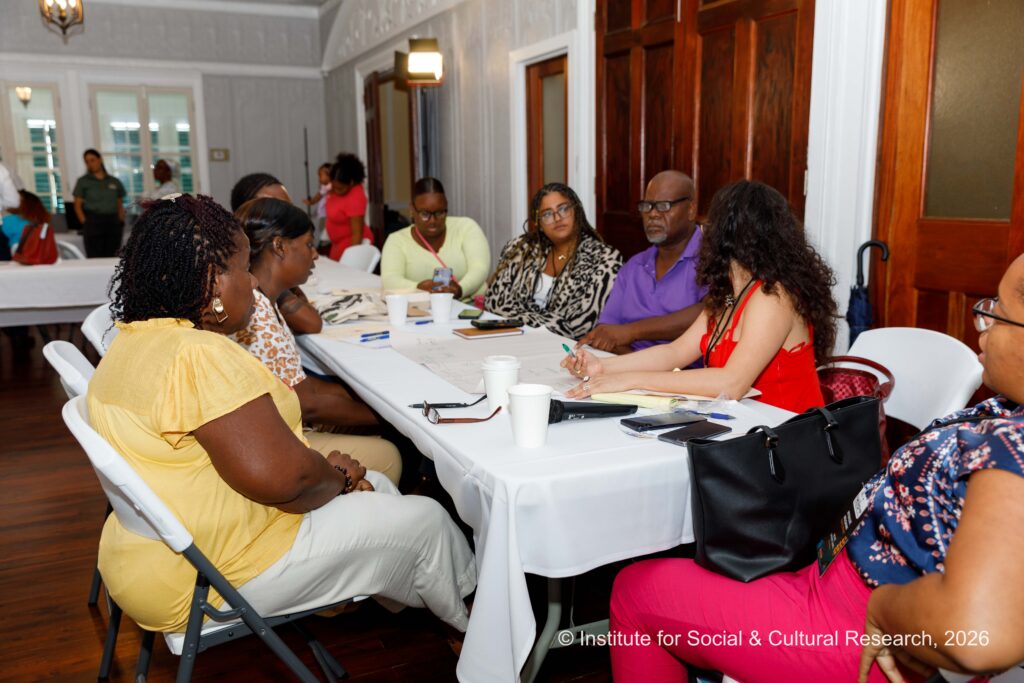
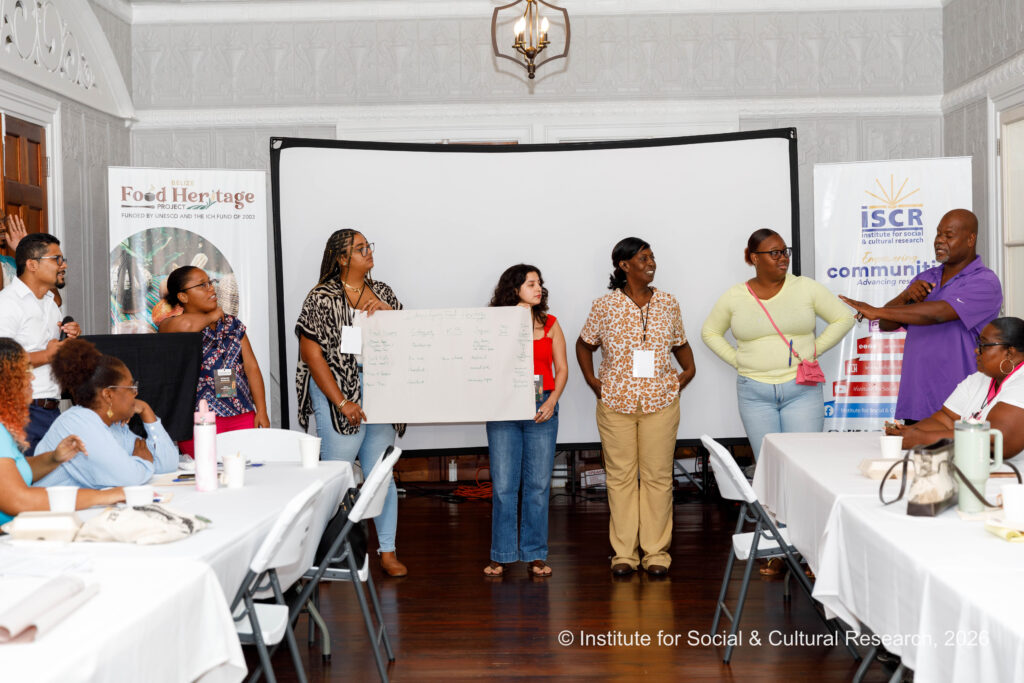
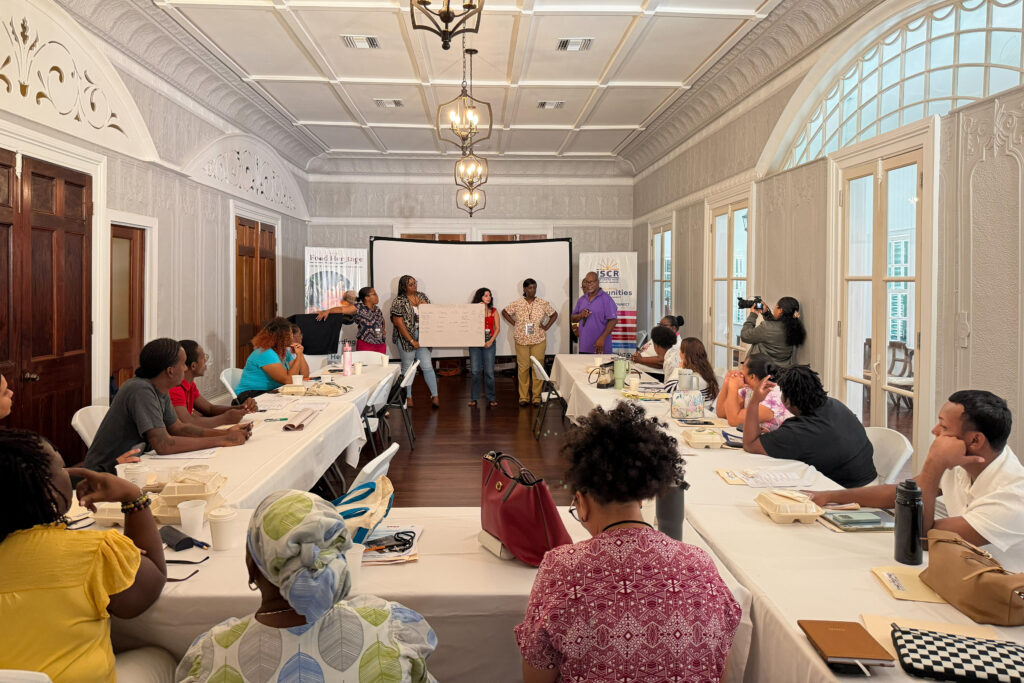
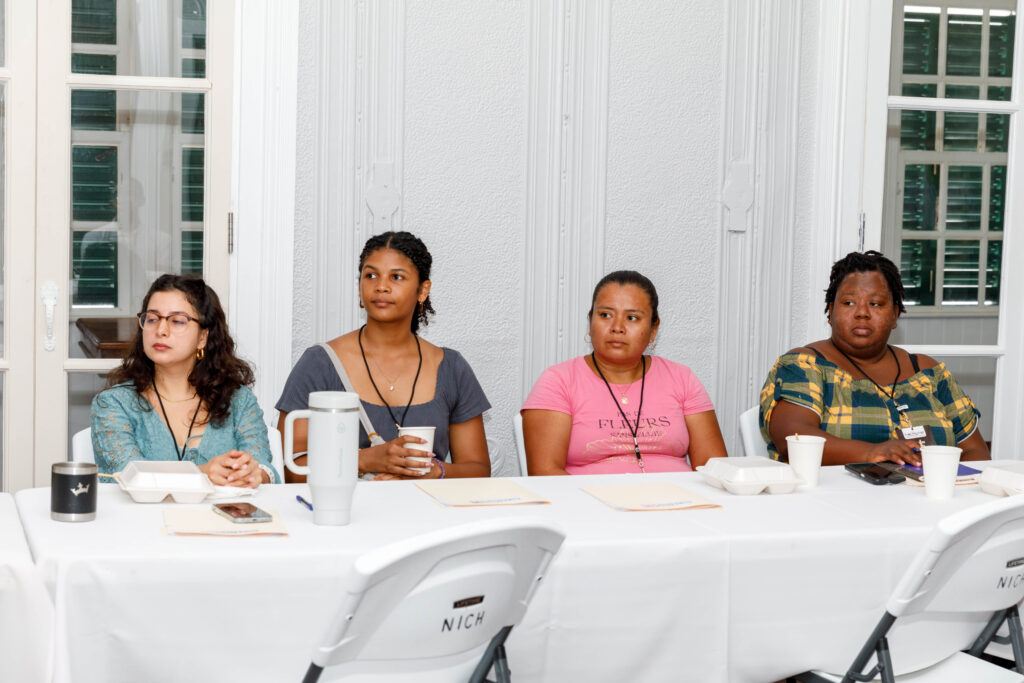
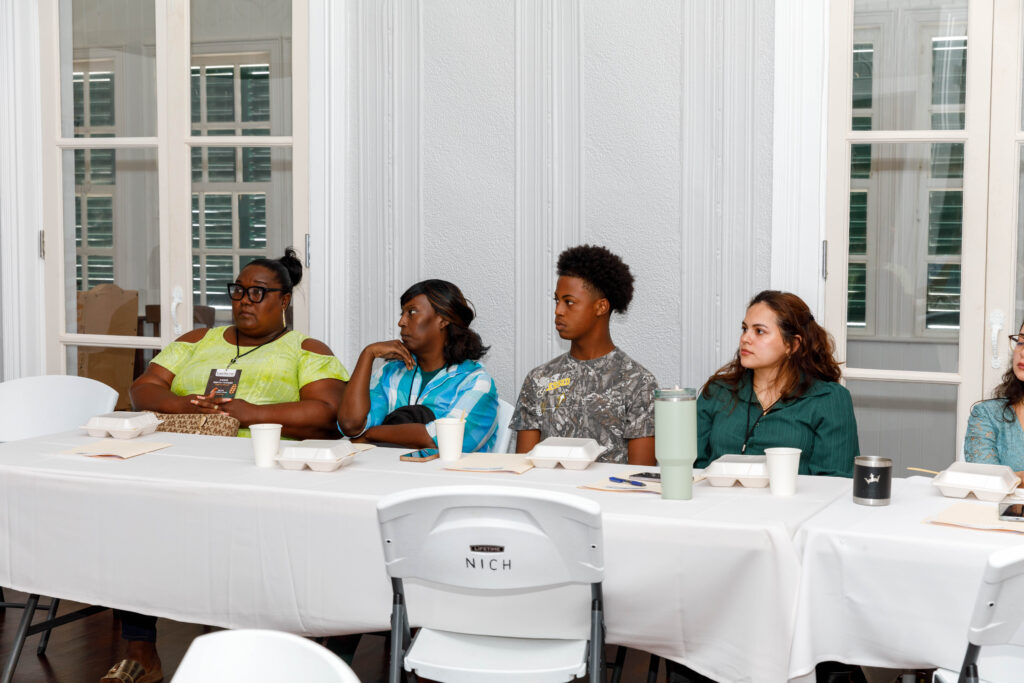
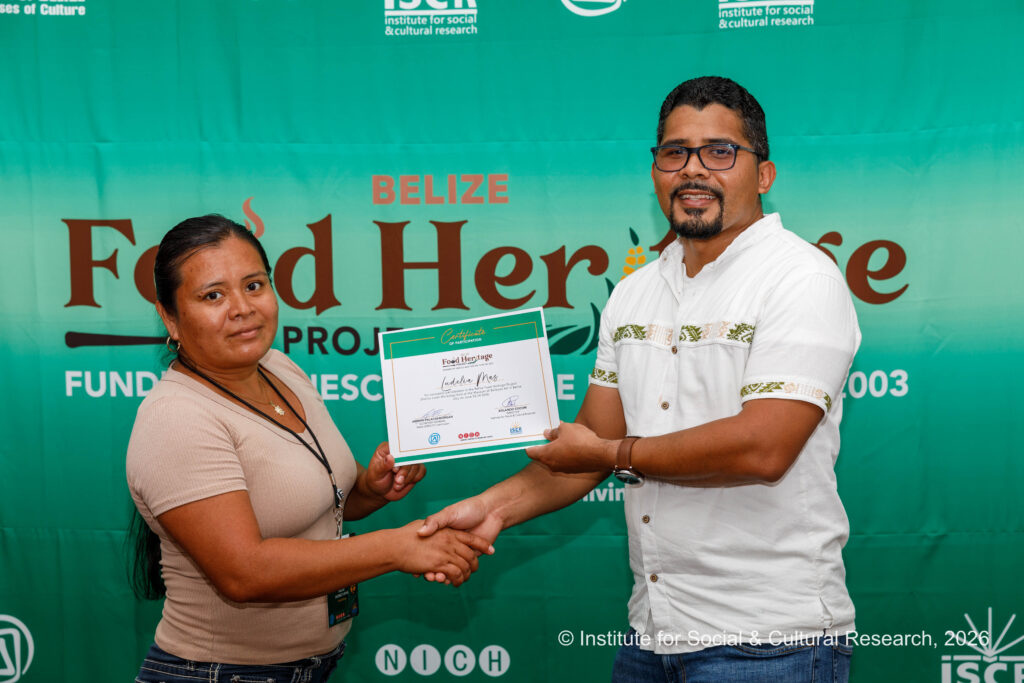
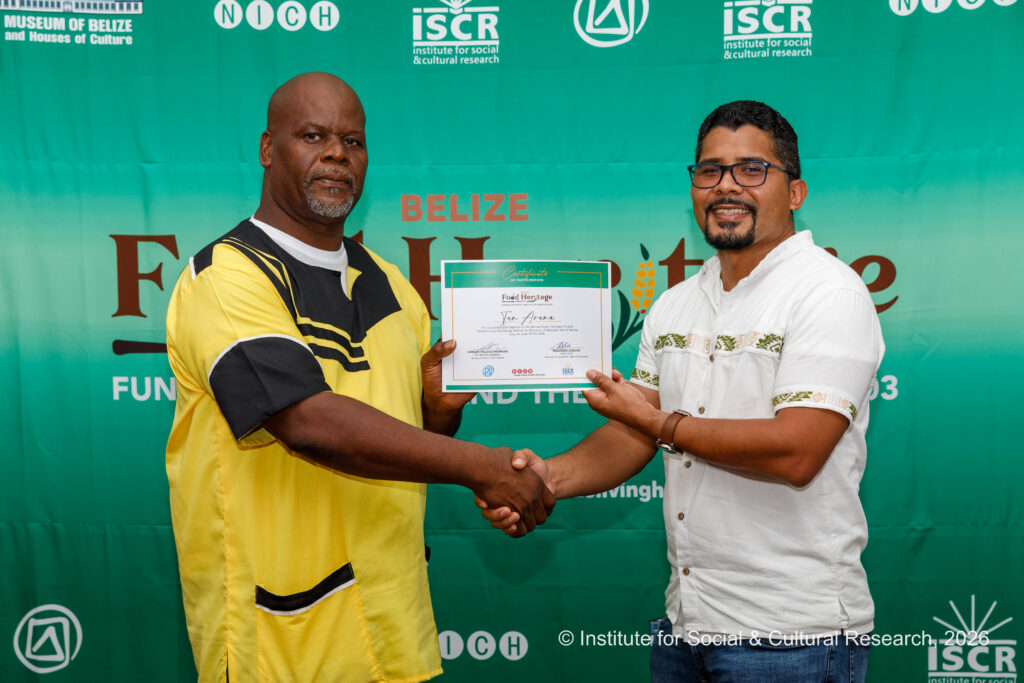
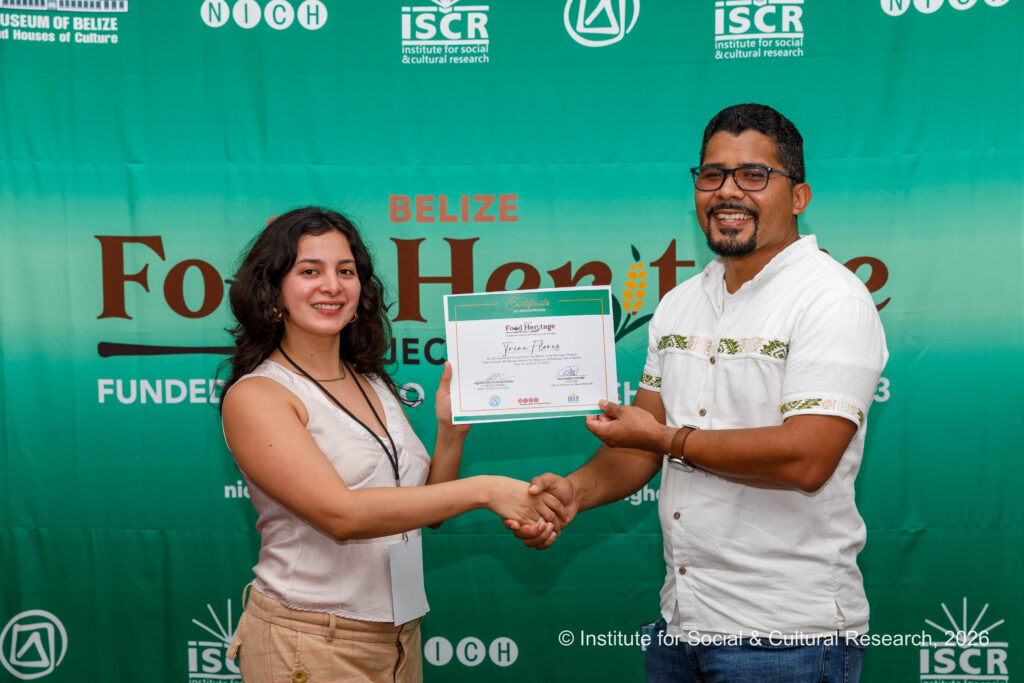
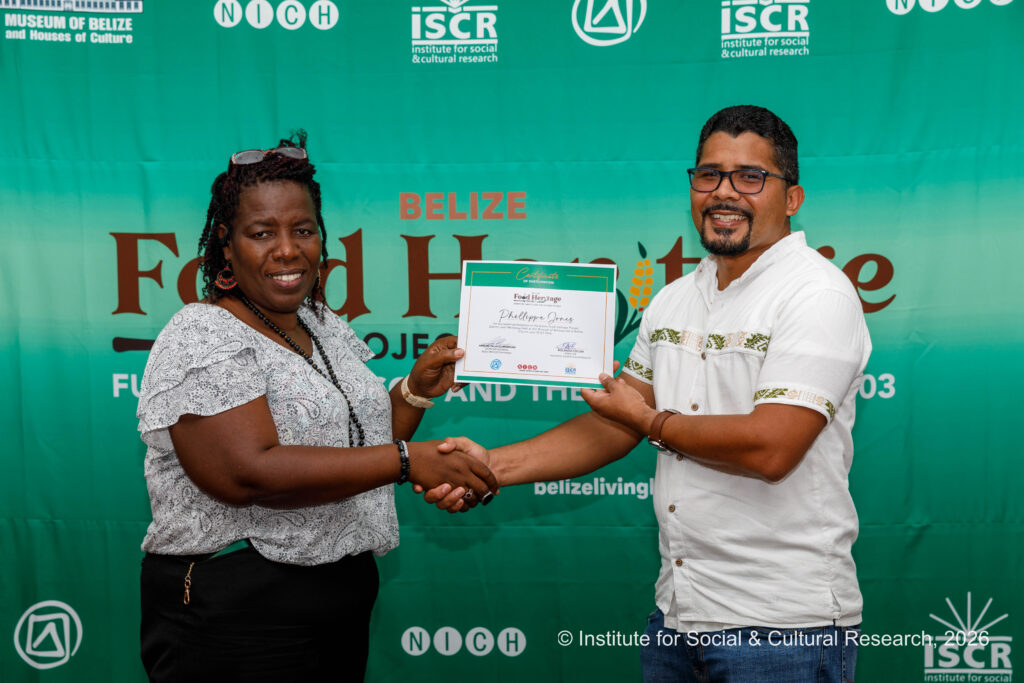
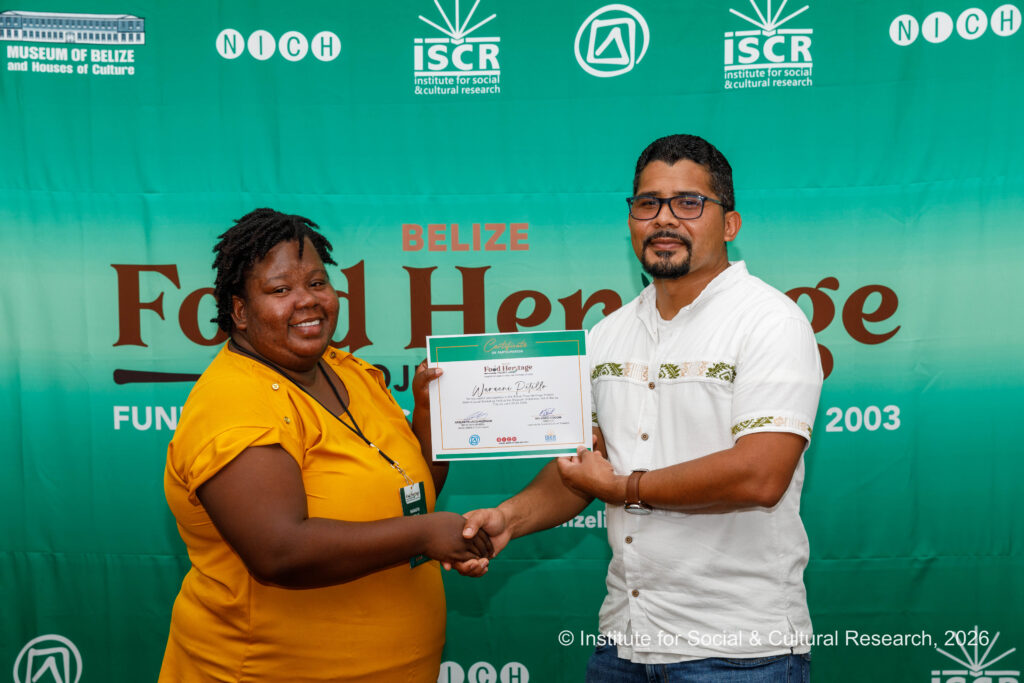
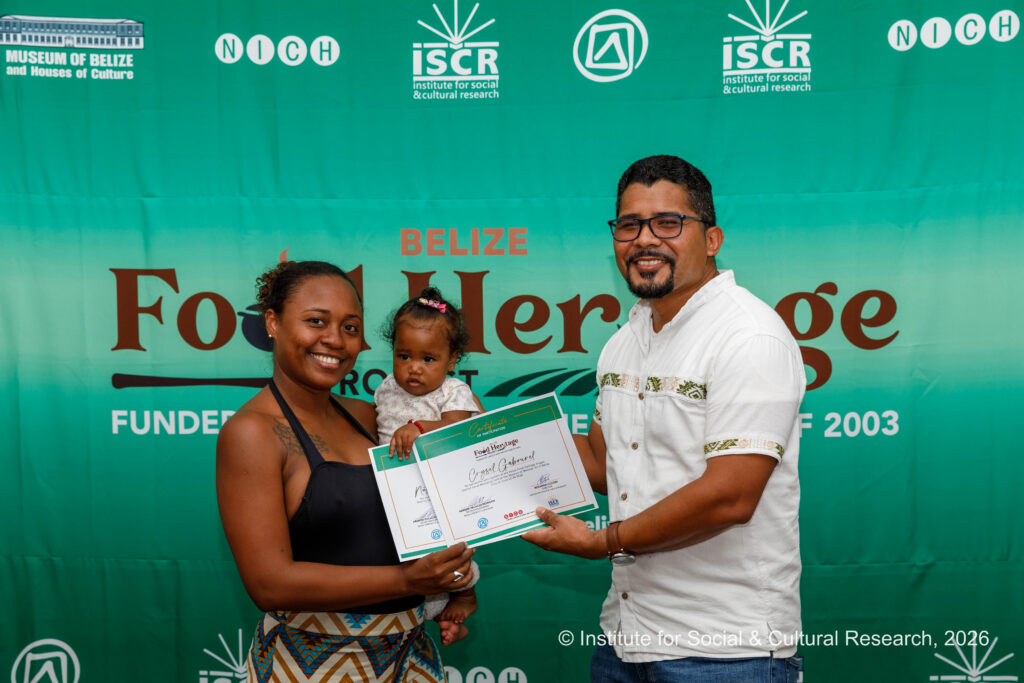
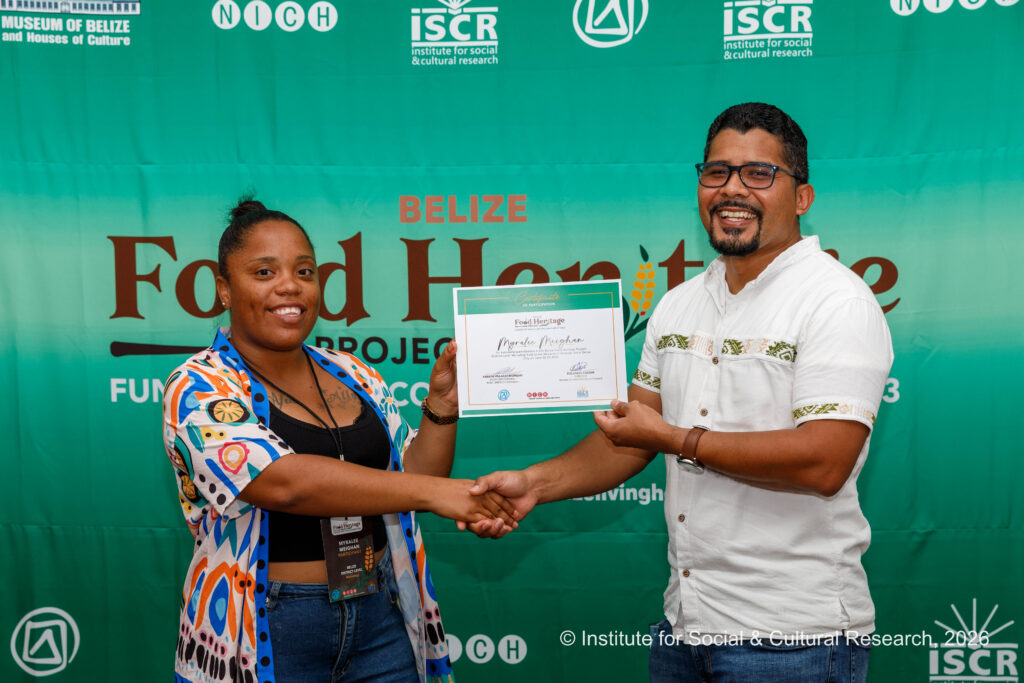
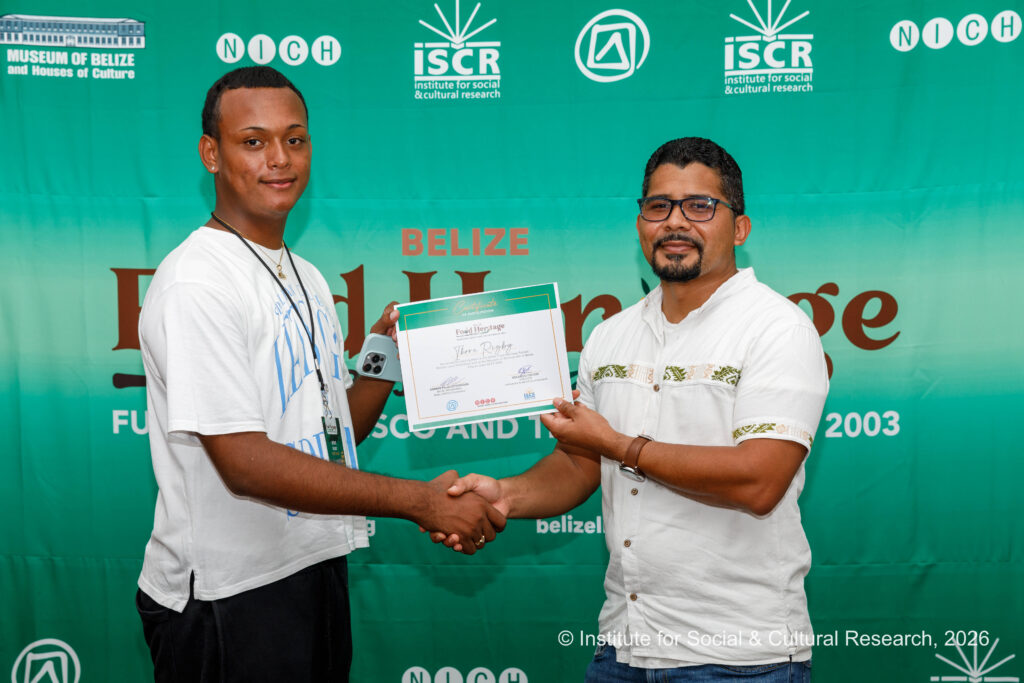
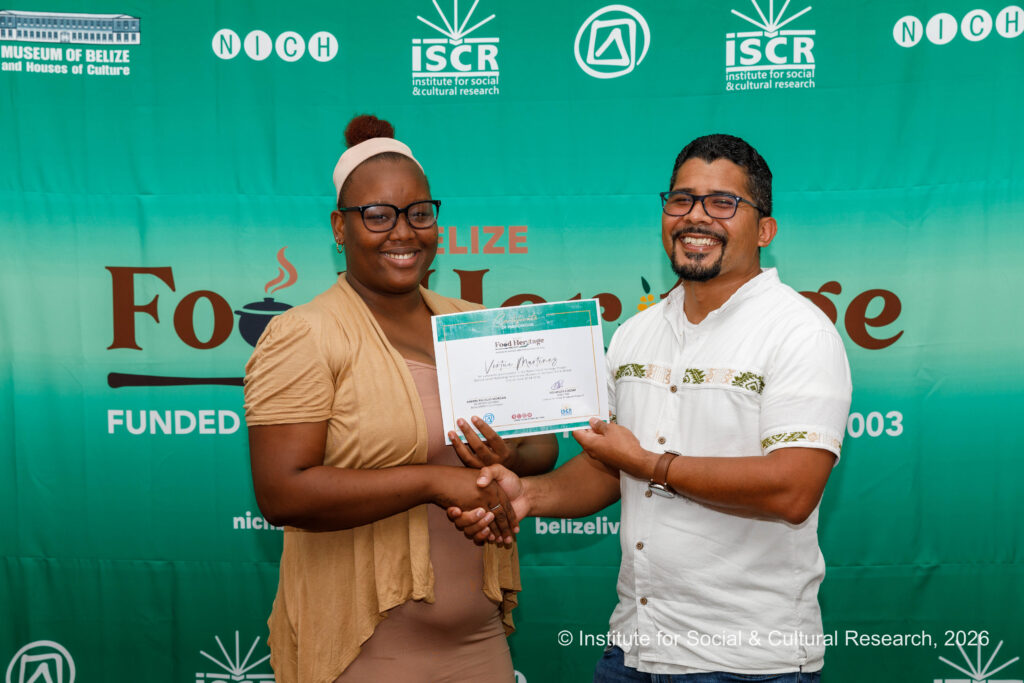
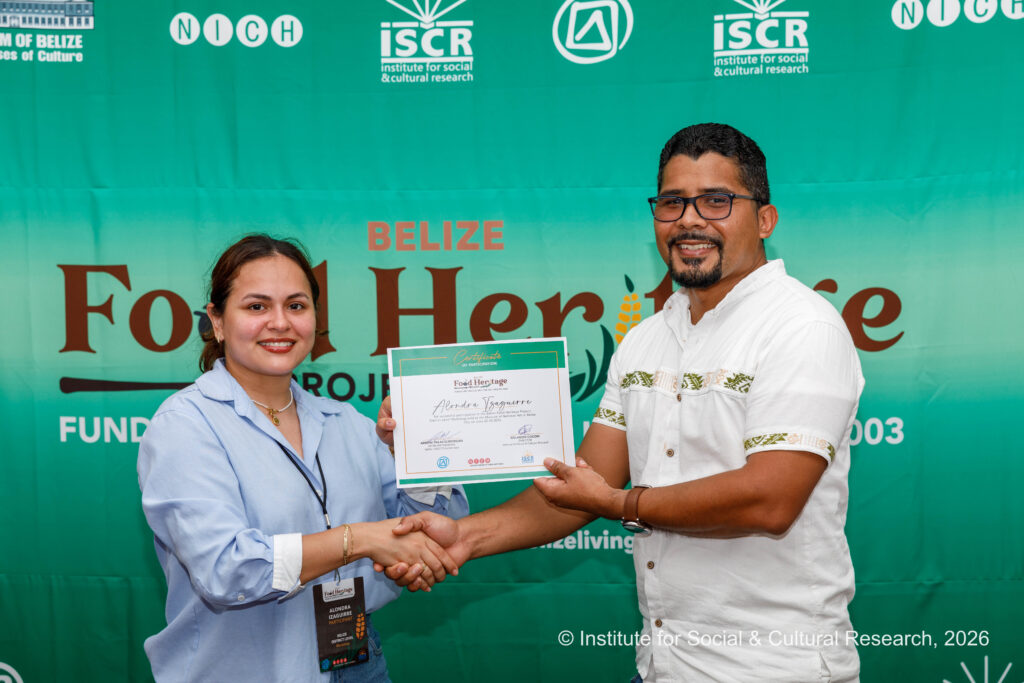
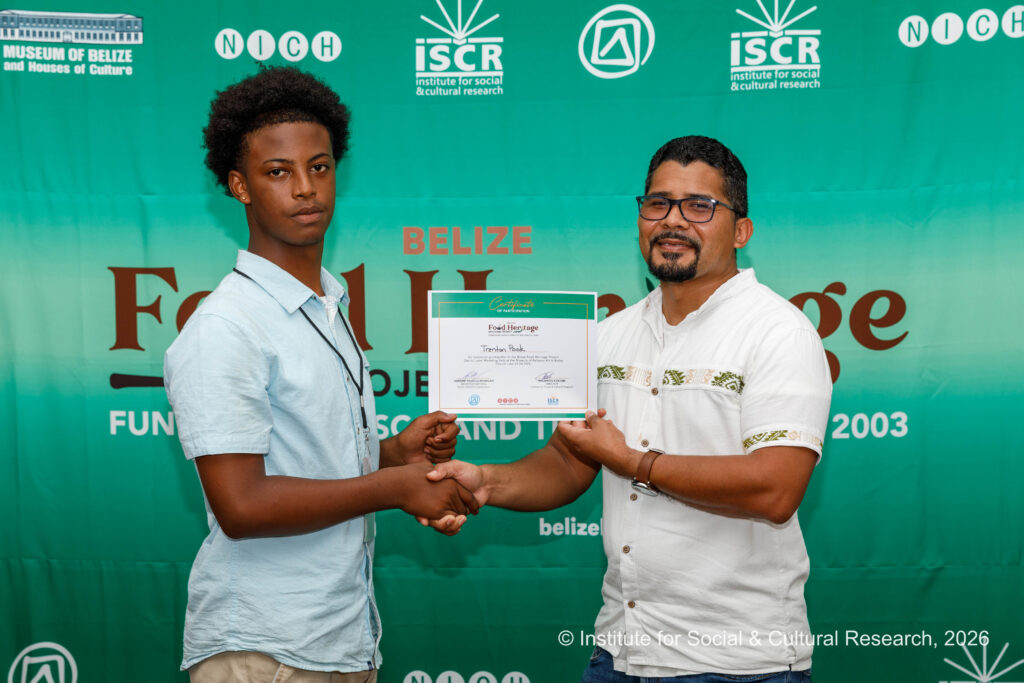
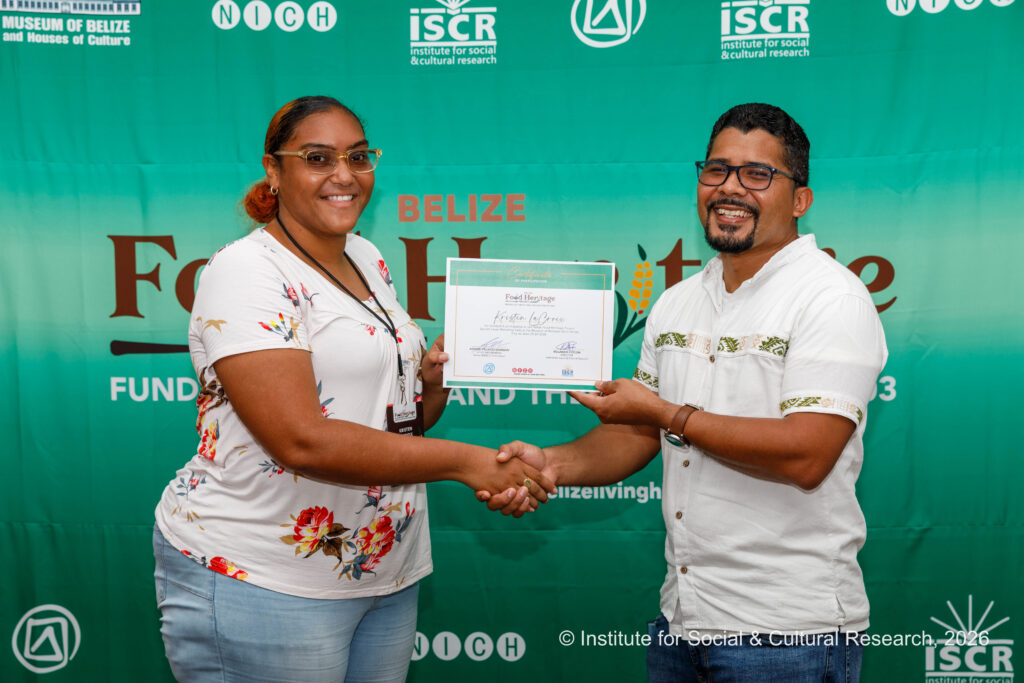
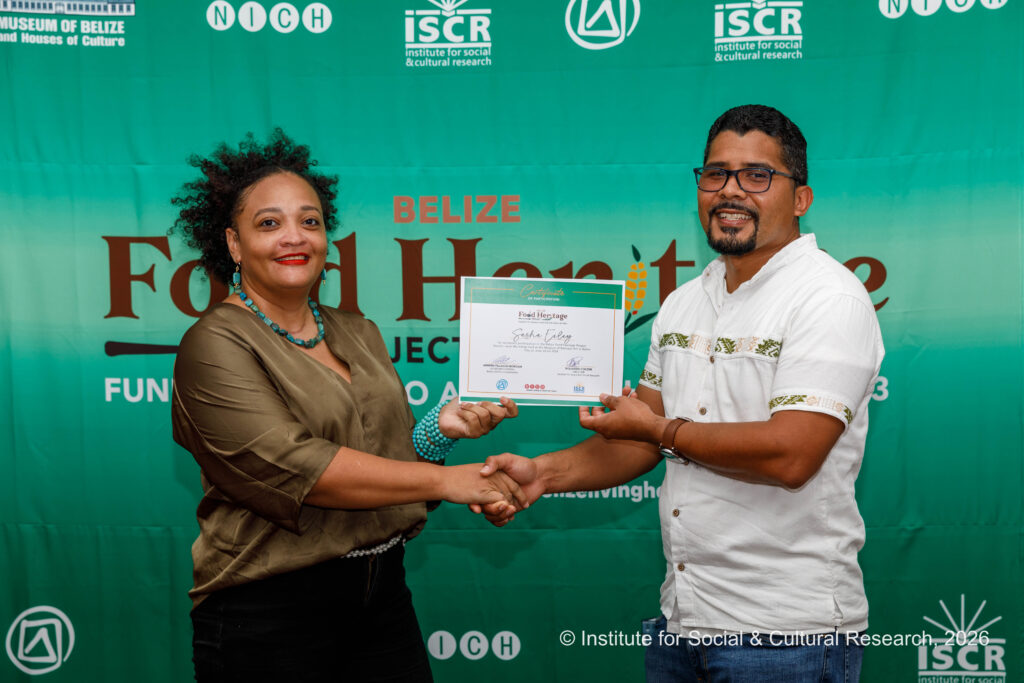
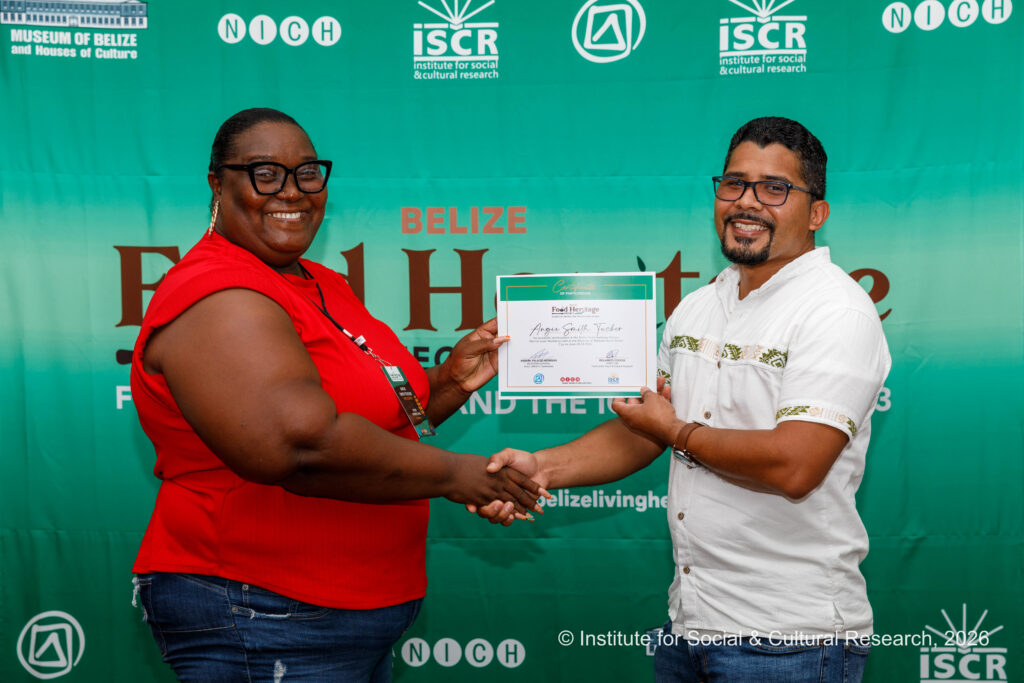
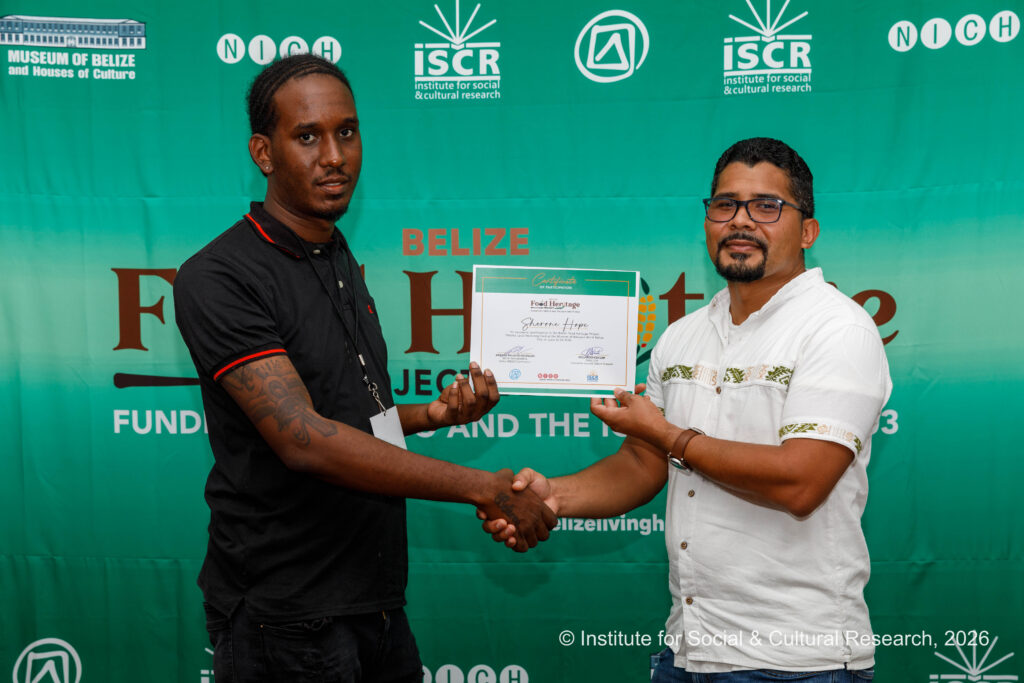
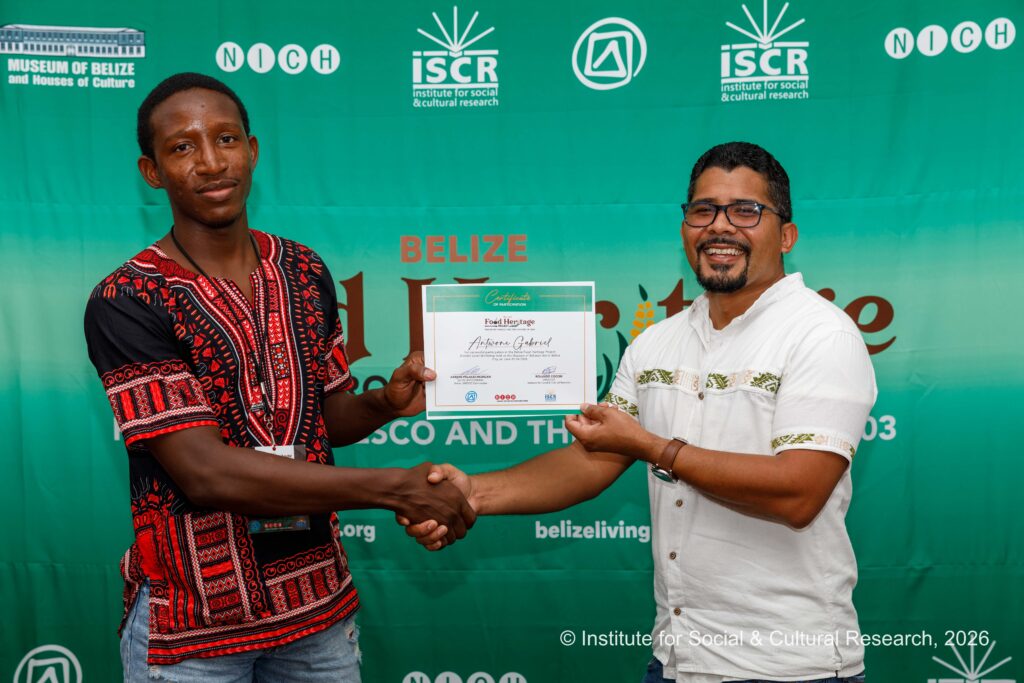
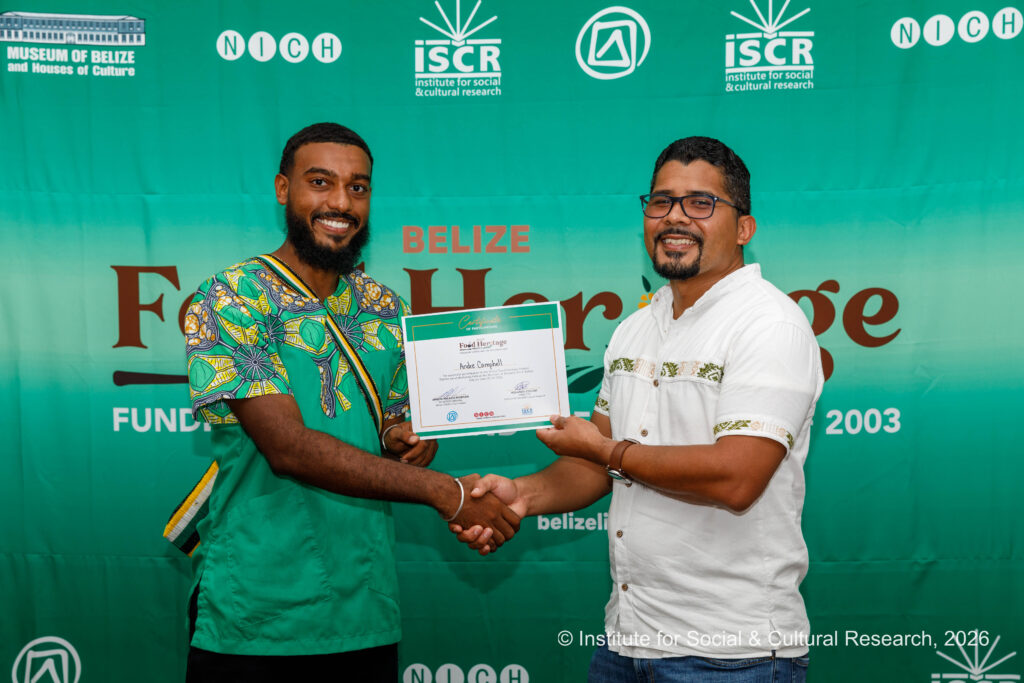
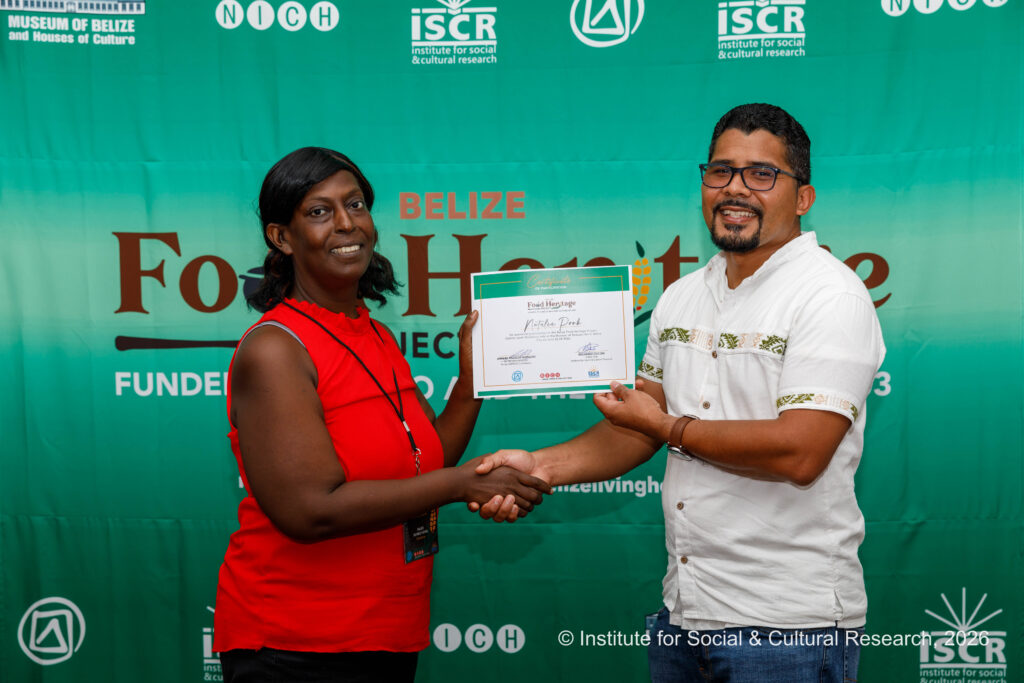
The Belize Living Heritage Programme successfully concluded its Belize District Food Heritage Workshop from 22–24 June 2026, bringing together 25 participants from across the Belize District for three days of learning, dialogue, and hands-on cultural exchange. As the largest district-level workshop held under the initiative to date, the event marks another important milestone in strengthening community capacity to safeguard Belize’s diverse food heritage.
Participants reflected the diversity of the district, with representation from cultural custodians, non-governmental organizations (NGOs), content creators, and students, alongside a healthy balance of male and female participants. Their varied backgrounds created a dynamic learning environment where traditional knowledge met new perspectives, reinforcing that safeguarding living heritage is a shared responsibility across generations and sectors.
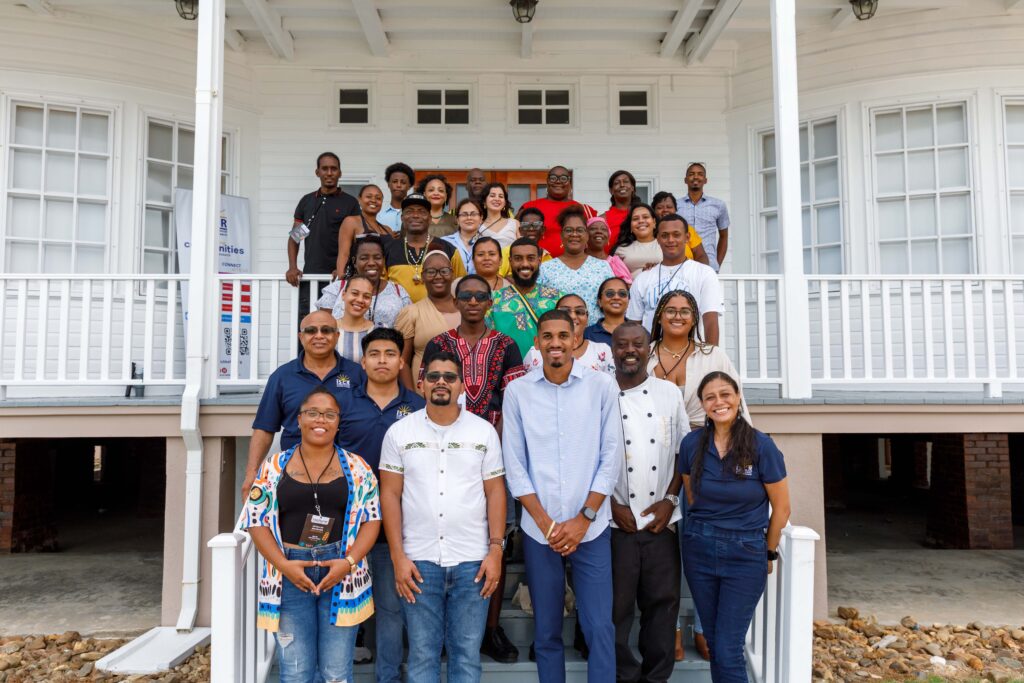
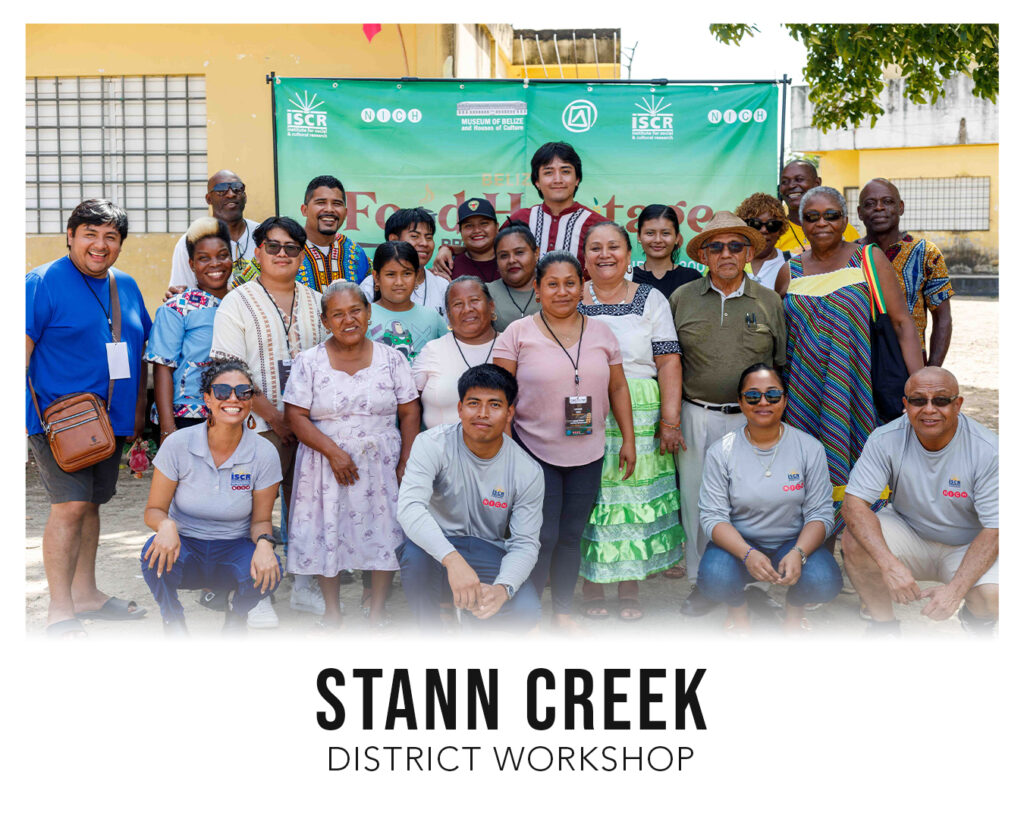
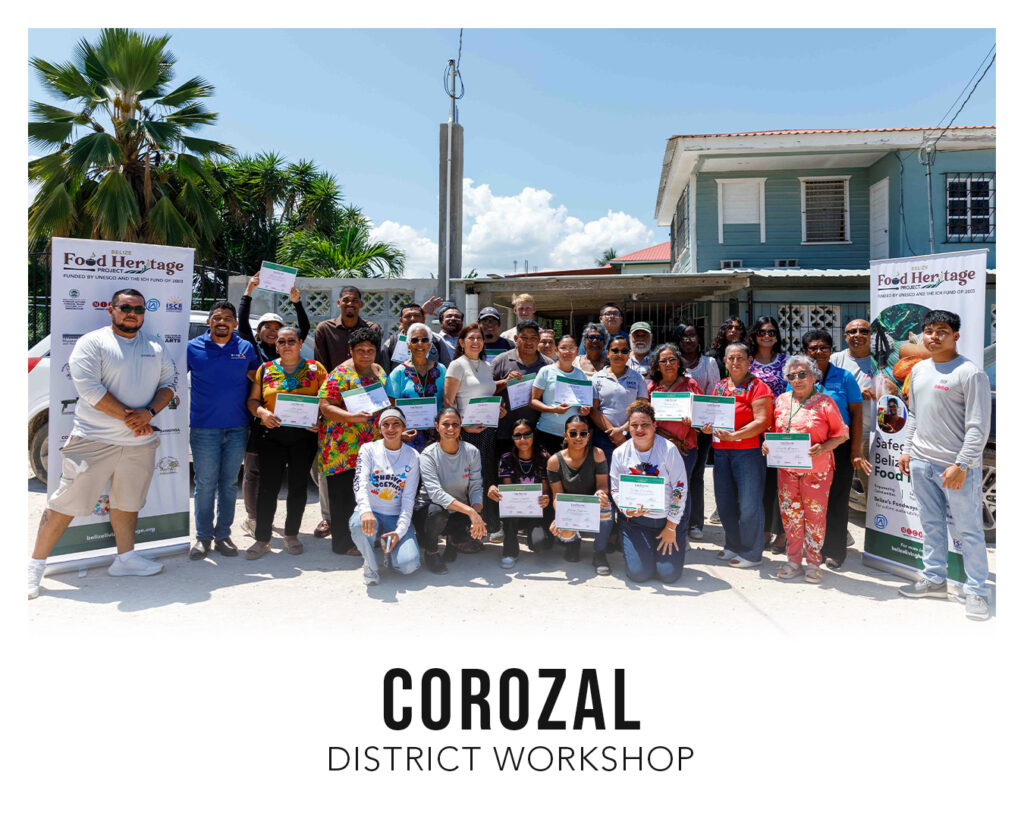
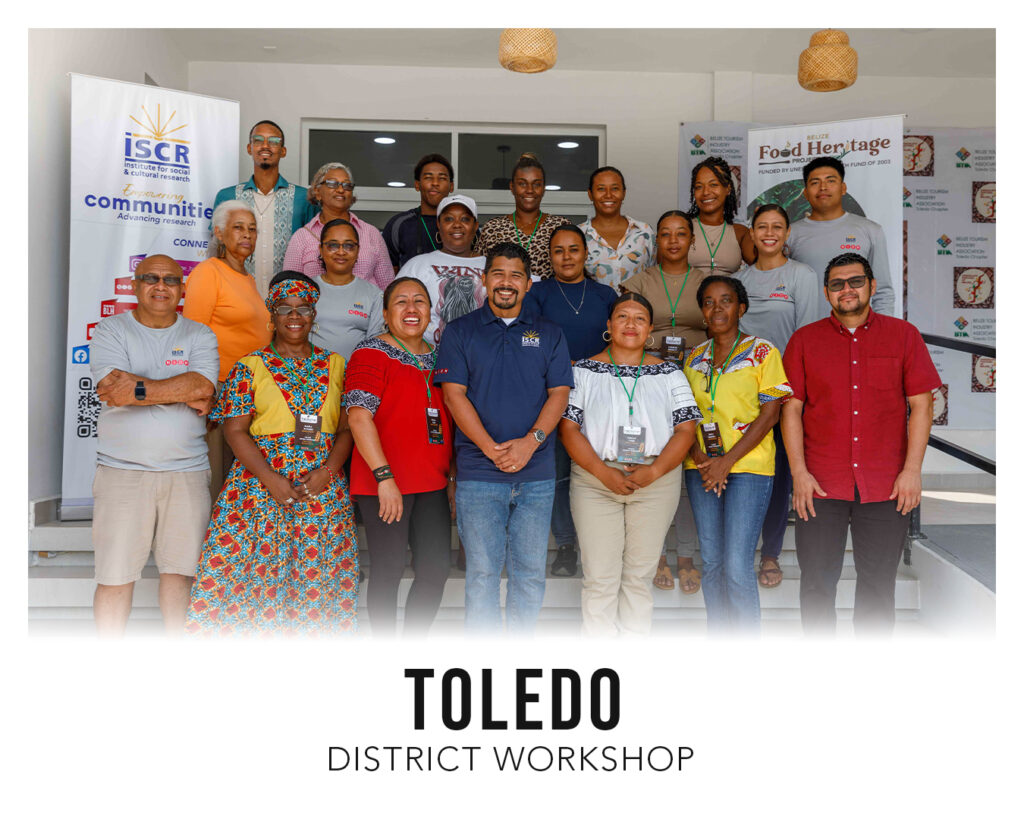
The Belize District workshop follows successful district-level trainings held in Orange Walk (November 2025), Stann Creek (February 2026), Corozal (April 2026), and Toledo (May 2026). Together, these workshops have equipped community members across Belize with the knowledge and practical skills needed to identify, document, and safeguard the country’s living food traditions.
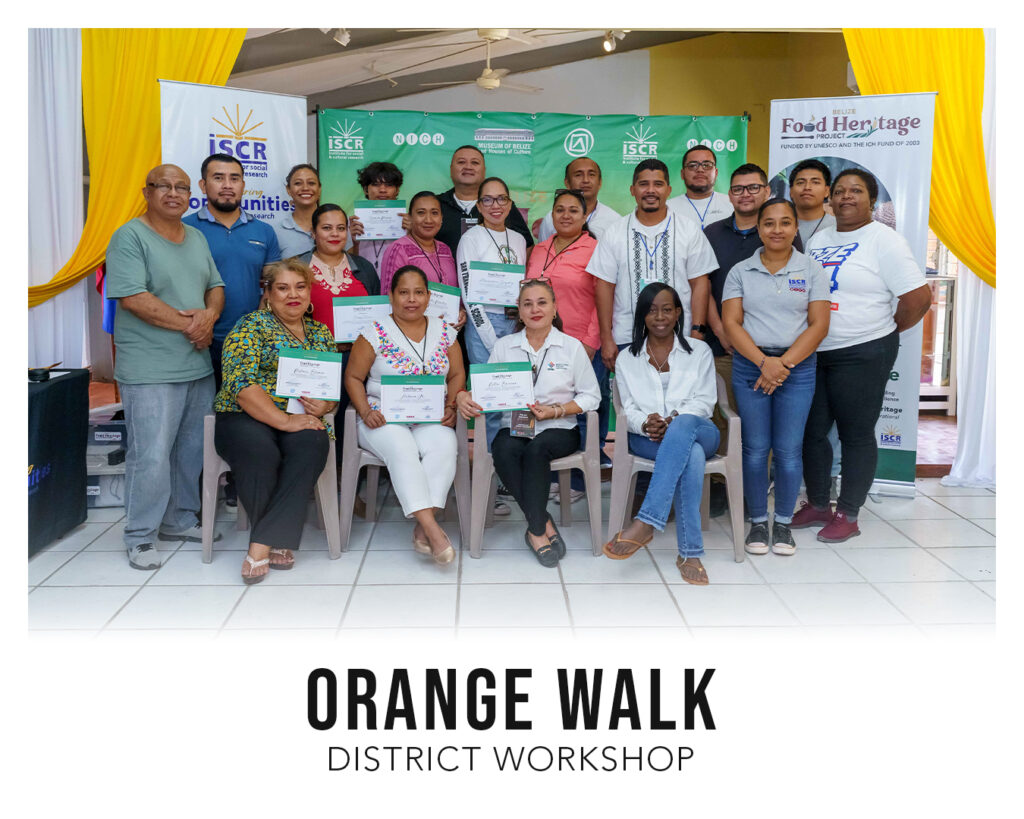
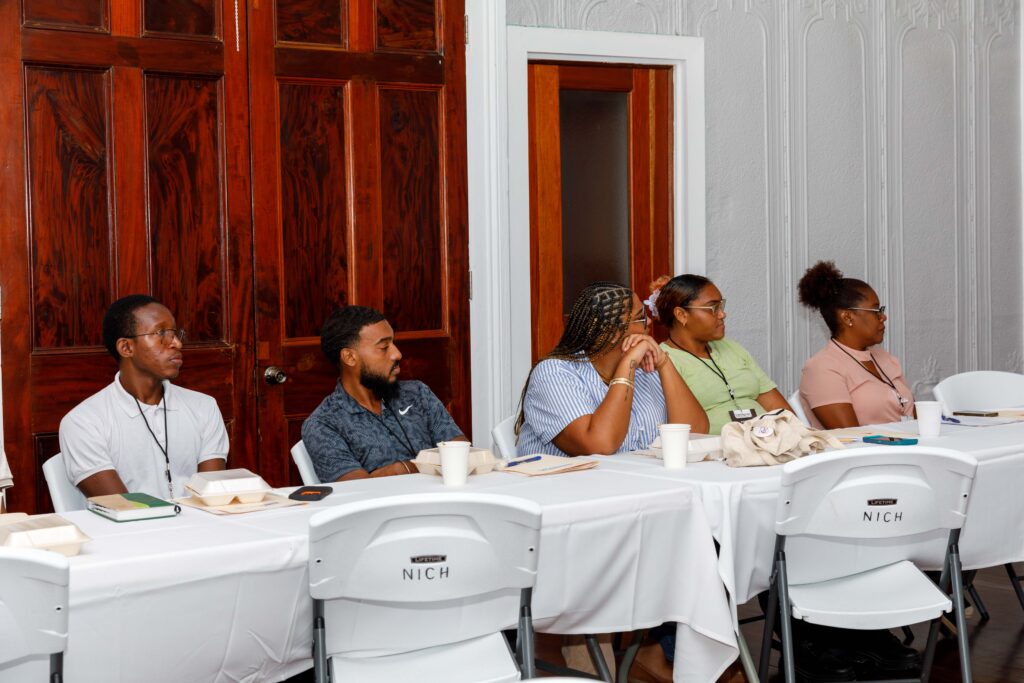
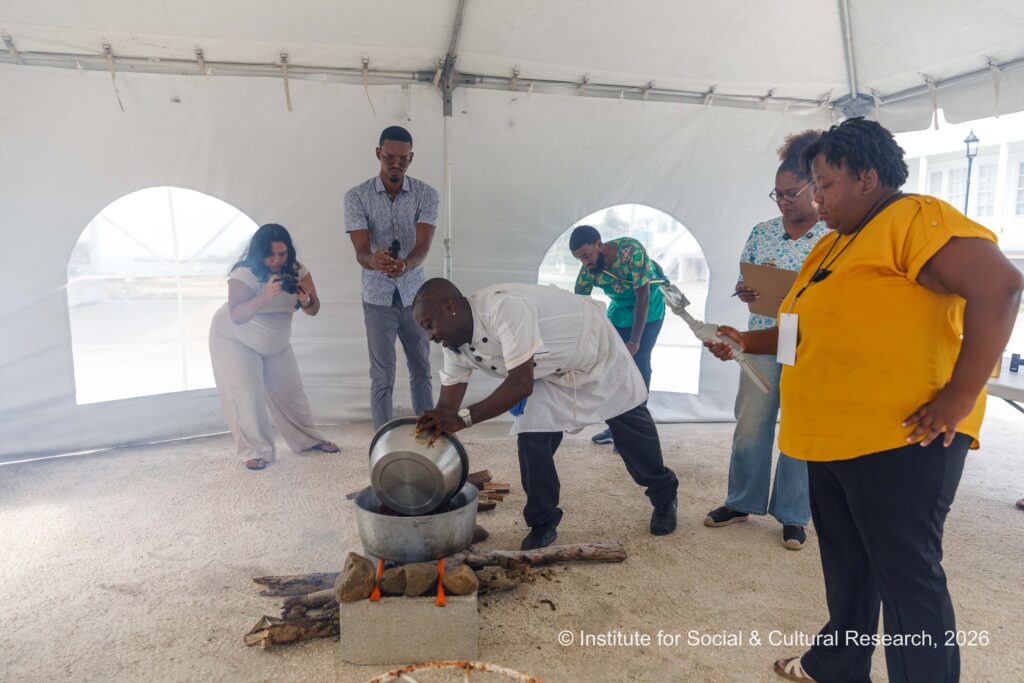
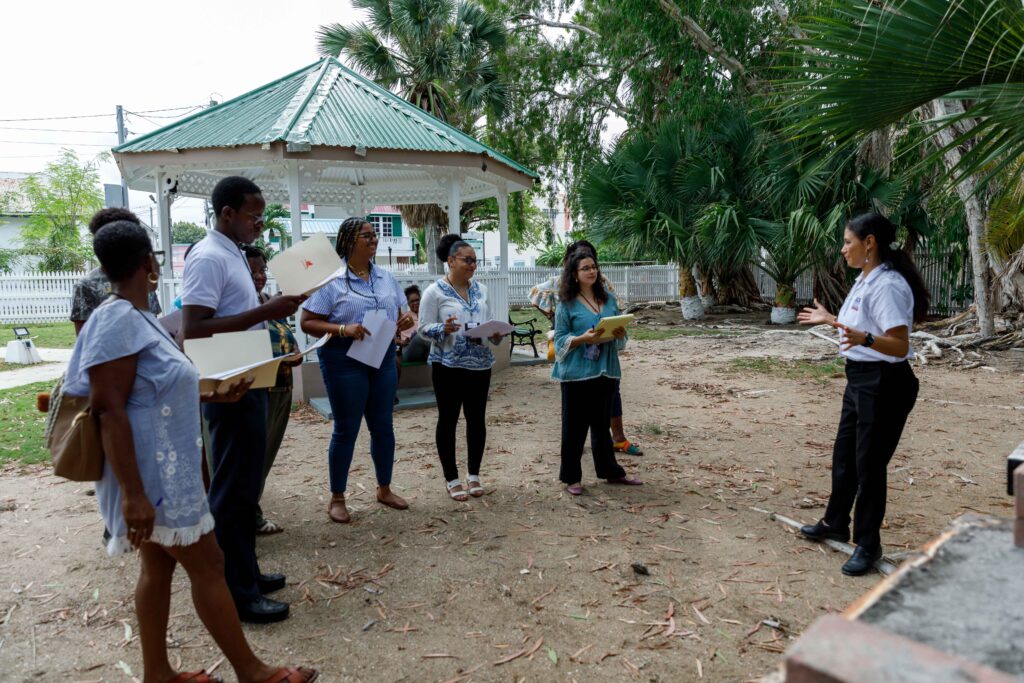
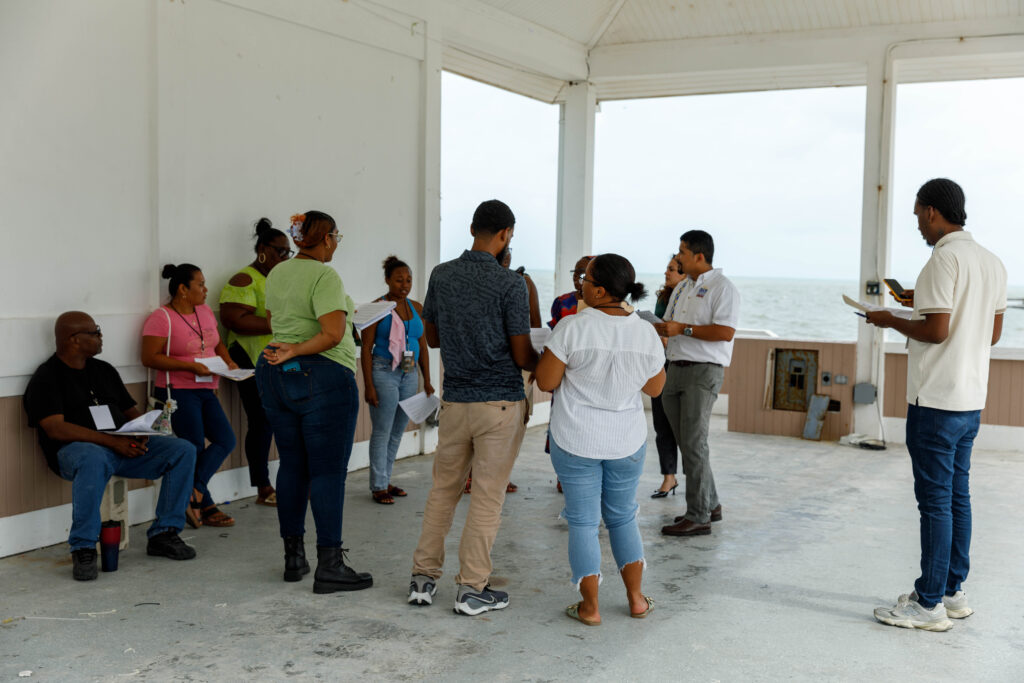
Over three days, participants deepened their understanding of the 2003 UNESCO Convention for the Safeguarding of Intangible Cultural Heritage; its guiding principles, the central role of communities in protecting living heritage, and the links between food heritage, foodways, and sustainable livelihoods. Sessions introduced ethical approaches to ICH documentation and community-based inventorying methods, equipping participants to identify heritage elements, engage respectfully with knowledge bearers, obtain informed consent, and conduct interviews. The workshop concluded with hands-on practicum stations where participants worked in small groups to observe, interview, photograph, and record the preparation of traditional dishes, putting their newly acquired skills into practice.
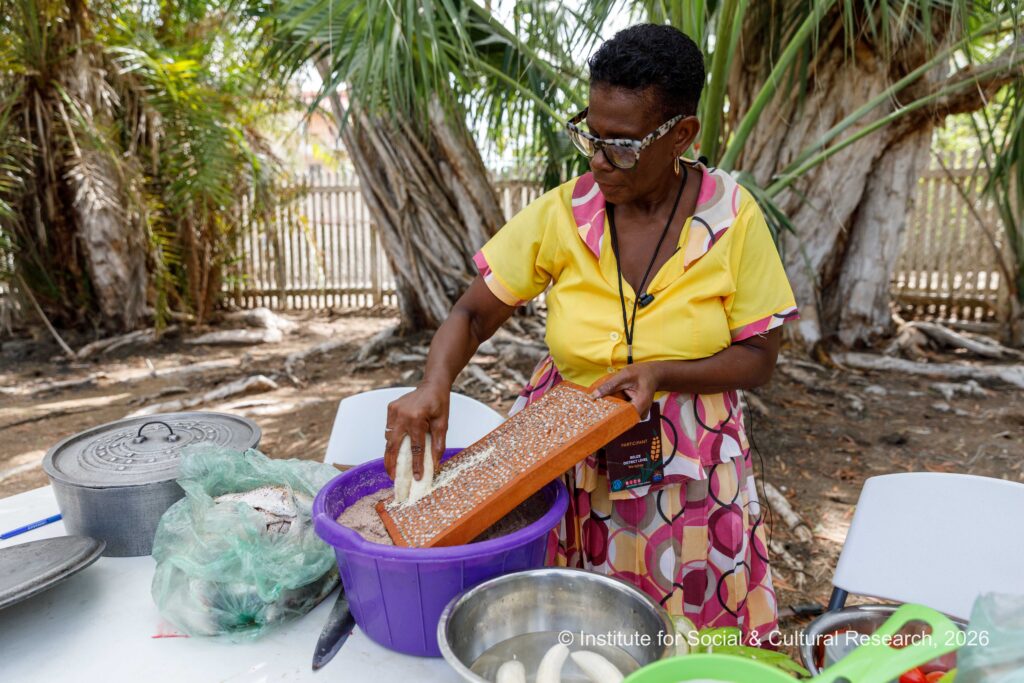
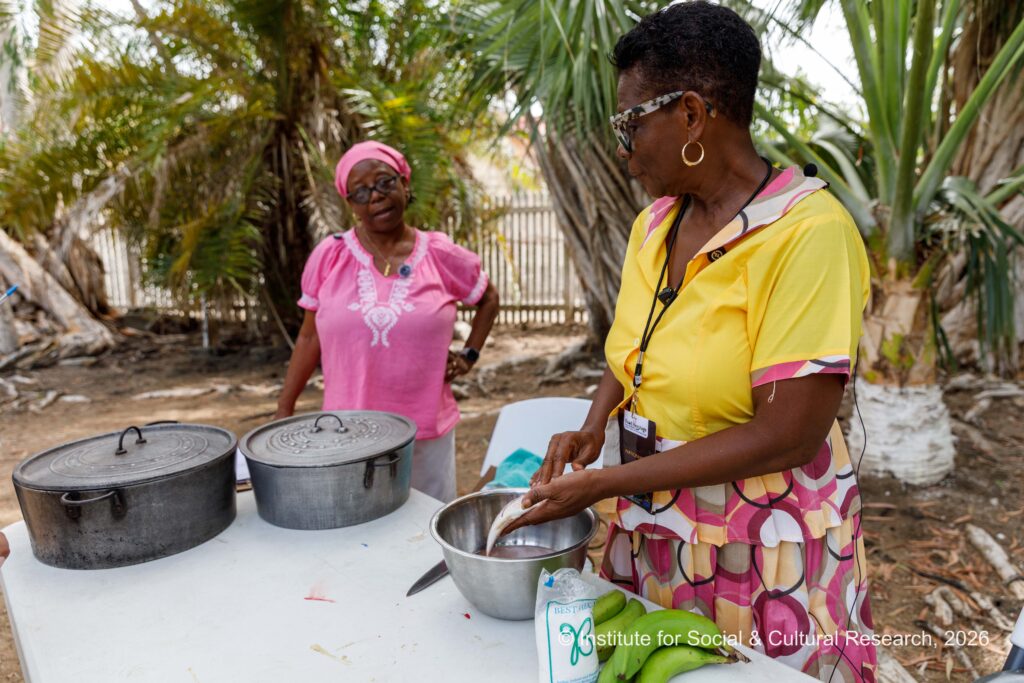
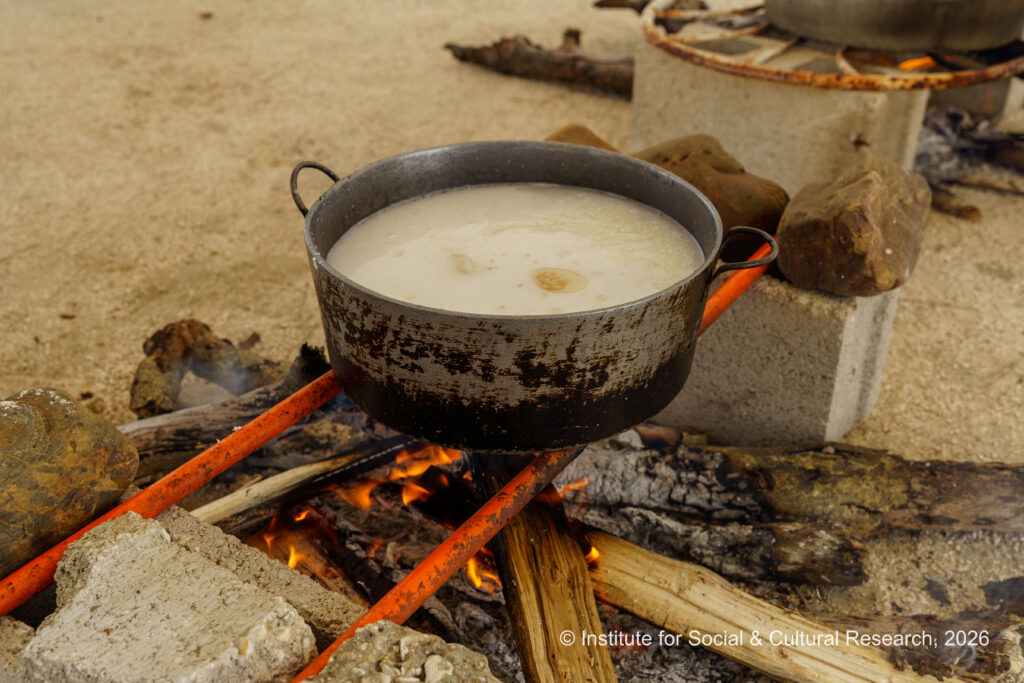
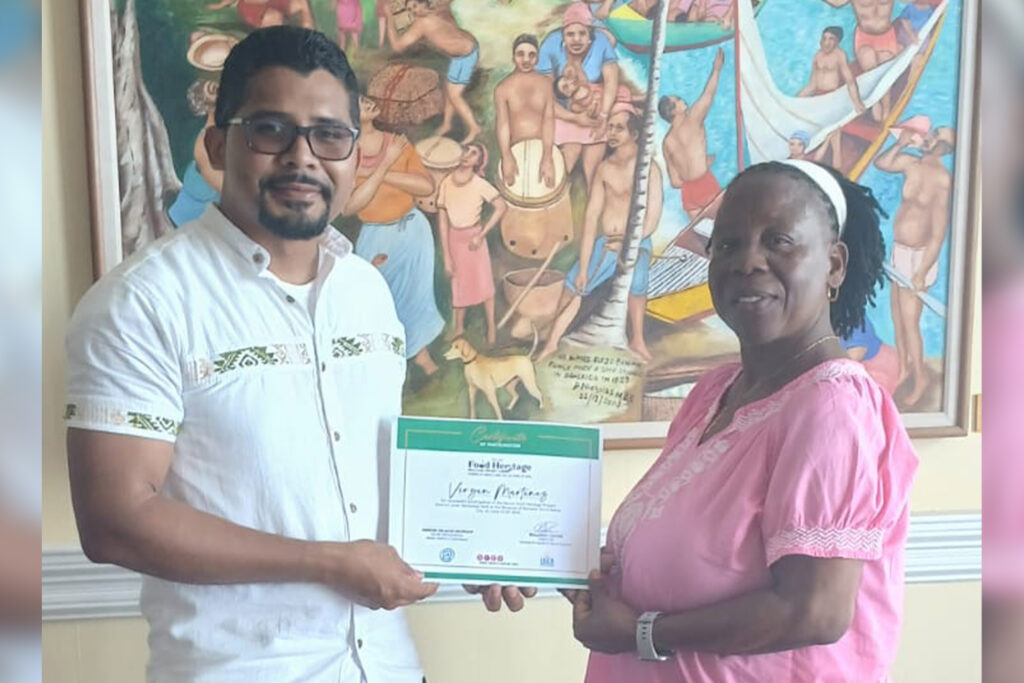
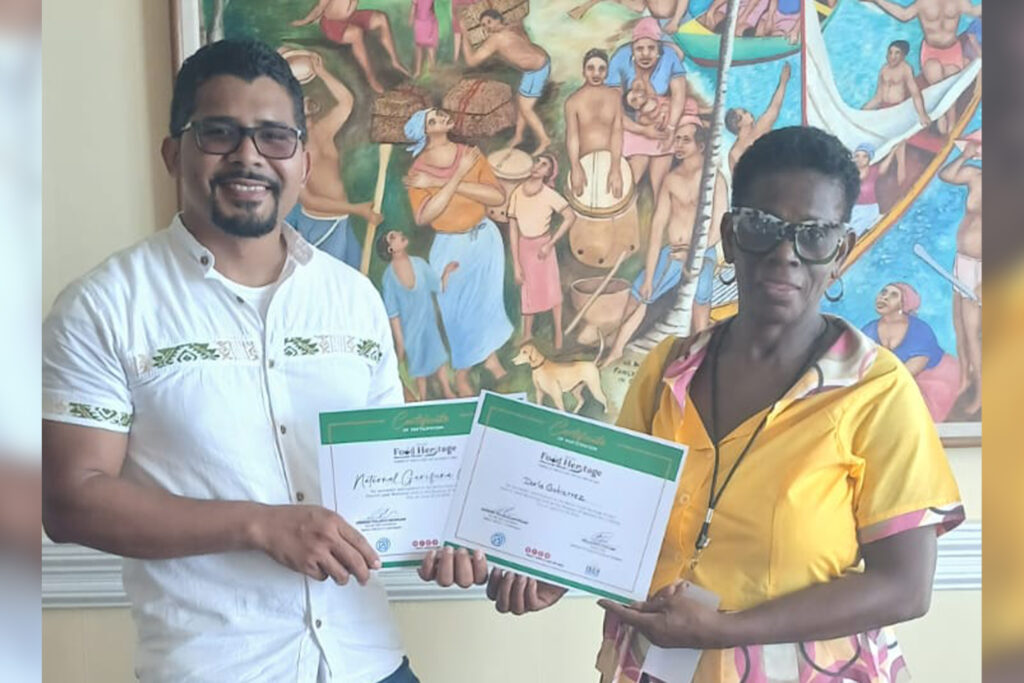
The first practicum featured respected cultural custodians Dorla Gutierrez, Virgin Martinez, and Raphael Martinez, who demonstrated the preparation of Fried Snapper with Bimena Wurigiru Fullita (Fried Green Banana Fritters), topped with fresh tomato sauce, accompanied by Lalis, a traditional breadfruit porridge and Hiü, a traditional cassava drink. Beyond the preparation of the dishes, participants documented the stories behind the ingredients, cooking techniques, family traditions, and cultural meanings associated with the meal.
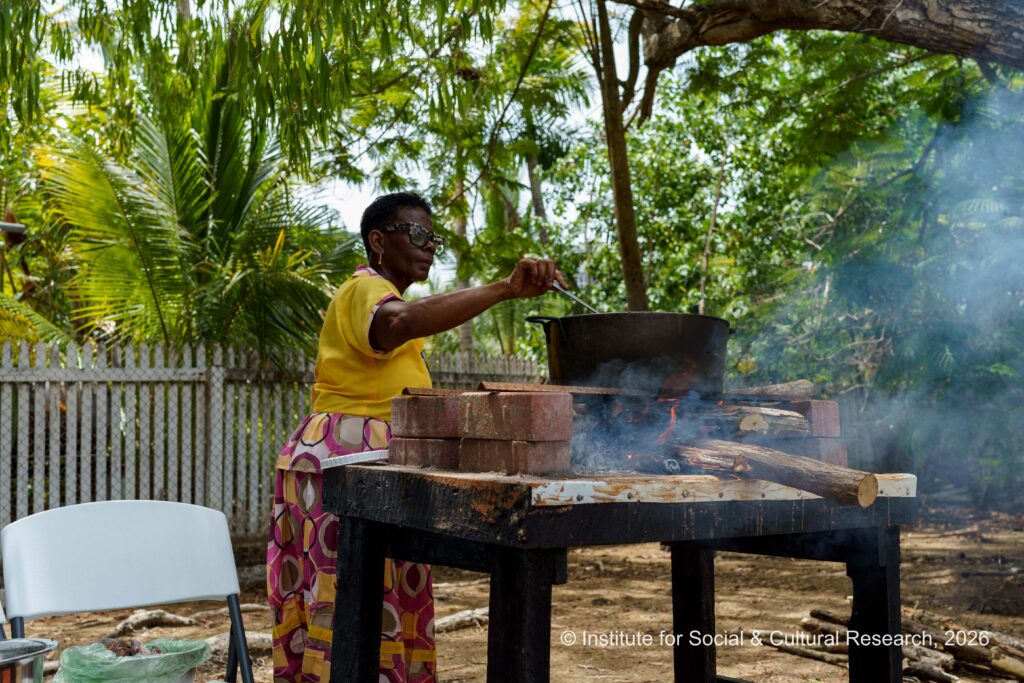
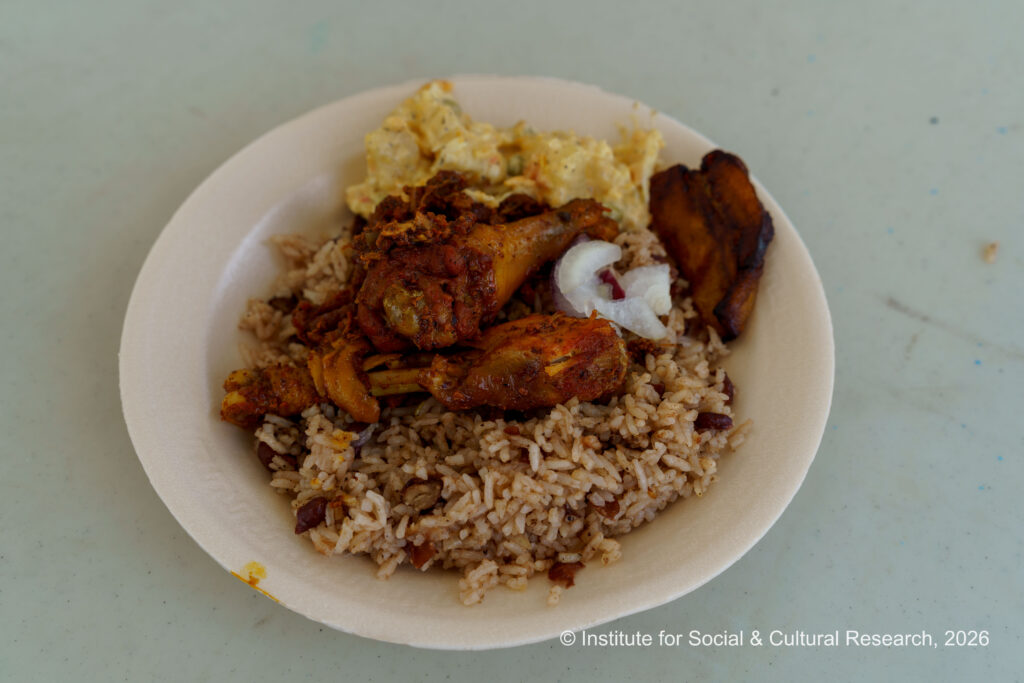
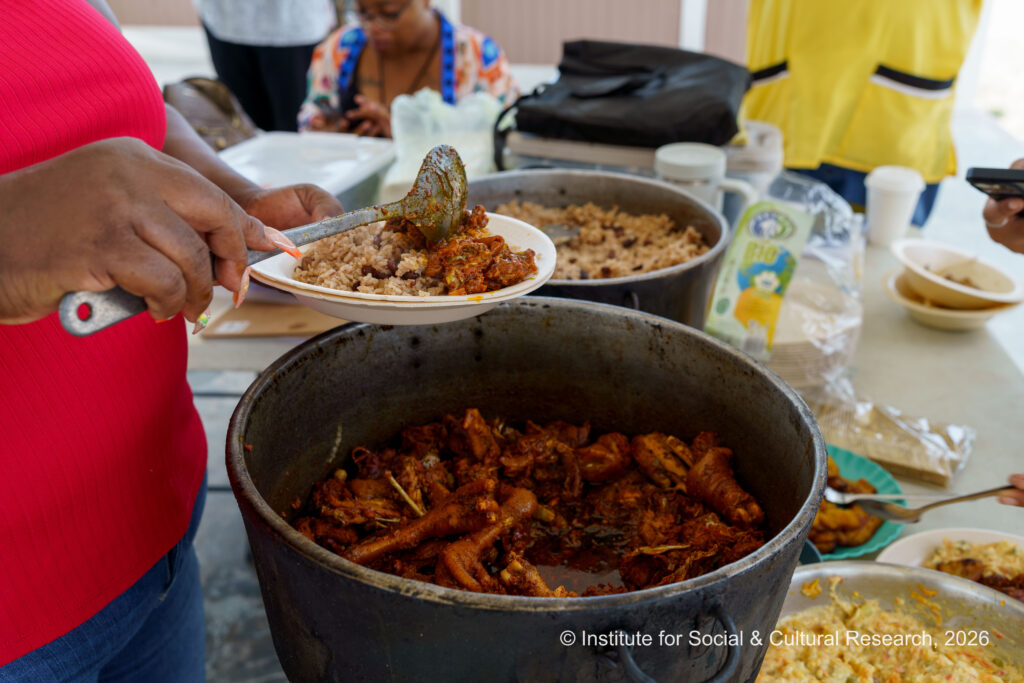
The second practicum highlighted the food traditions of the Belize River Valley, particularly the communities of Willow’s Bank and Rancho Dolores. Cultural custodians Baselio and Natalie Pook, alongside Angie Smith Tucker, prepared local fowl with coconut rice and beans, served with potato salad, fried plantain, and homemade habanero sauce. Through interviews and observation, participants explored the connections between traditional food preparation, agriculture, community identity, and local livelihoods.
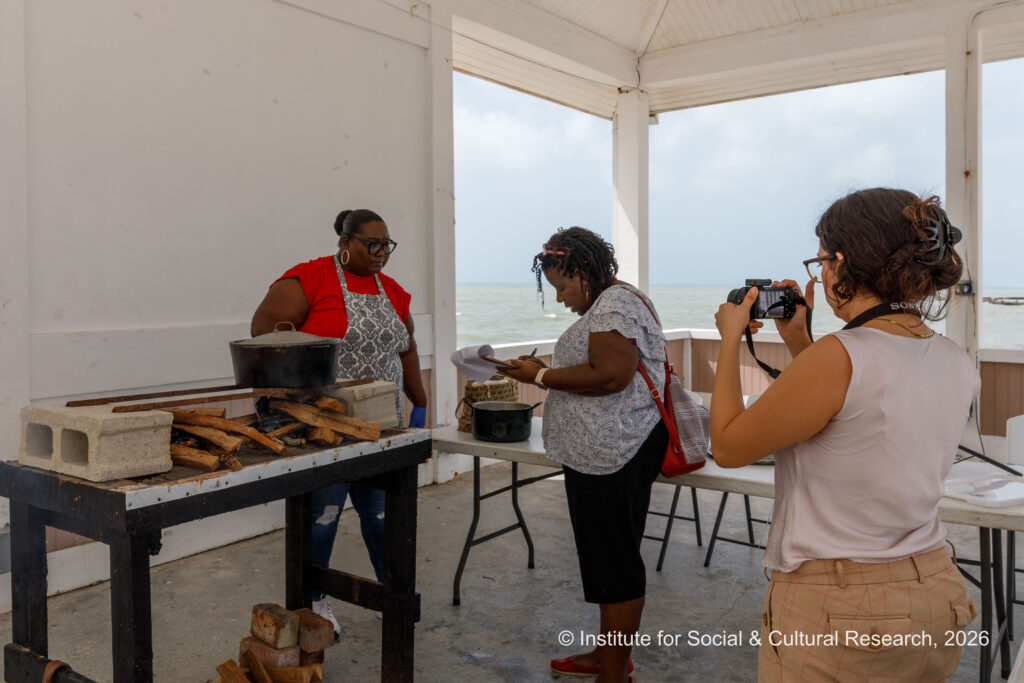
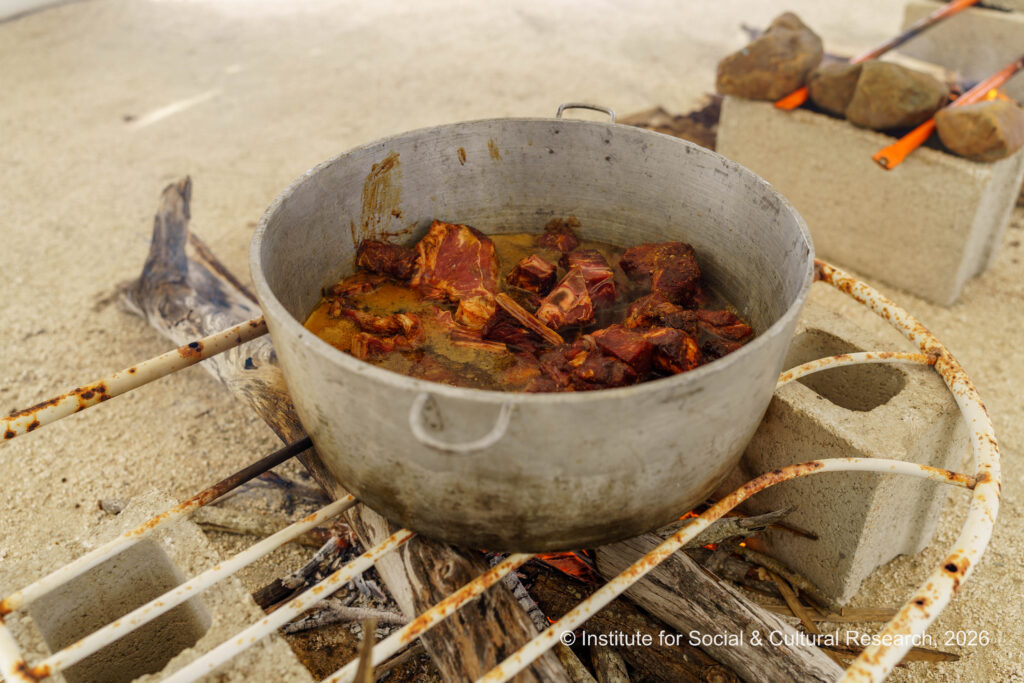
The final practicum was led by Chef Ainsley, owner of Naked Chicken Restaurant in Belize City, who prepared a hearty beef soup alongside callaloo rice. His session demonstrated how traditional ingredients and culinary knowledge continue to influence contemporary Belizean cuisine while remaining rooted in local heritage.
As the workshop concluded, participants expressed enthusiasm for the next phase of the initiative: Community Inventorying. Equipped with new skills in documenting Intangible Cultural Heritage, they are now preparing to return to their communities to work alongside willing knowledge bearers in identifying and documenting local food traditions. Collectively, participants have already identified approximately 20 food heritage elements that they intend to inventory, each representing a unique expression of Belize’s cultural diversity and living heritage.
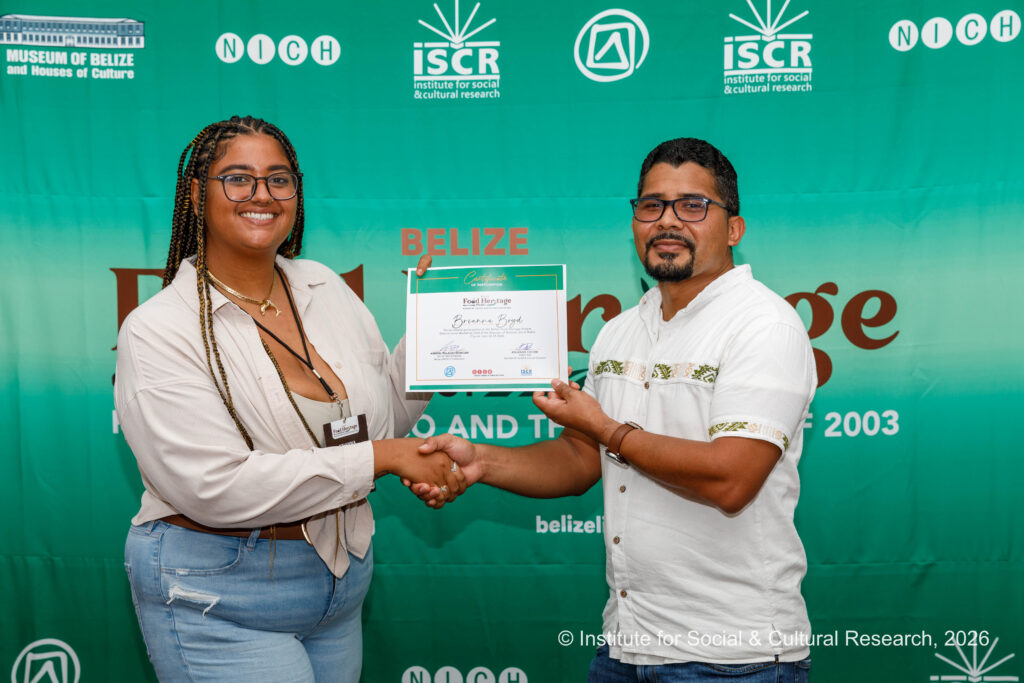
The Belize District workshop marks the fifth of seven district-level training workshops being conducted as part of the Belize Food Heritage Initiative. With successful workshops already held in four previous districts and now Belize District, the trainings will continue with Cayo District in July 2026, followed by San Pedro and Caye Caulker in August 2026, ensuring that communities across the country are equipped to lead the safeguarding of Belize’s food heritage.
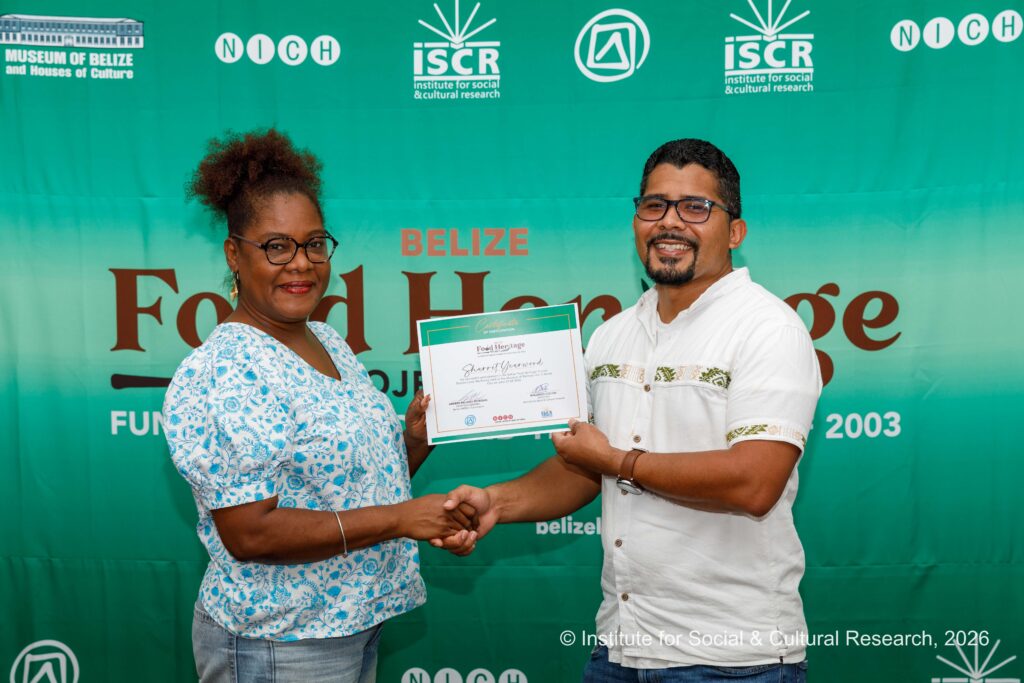
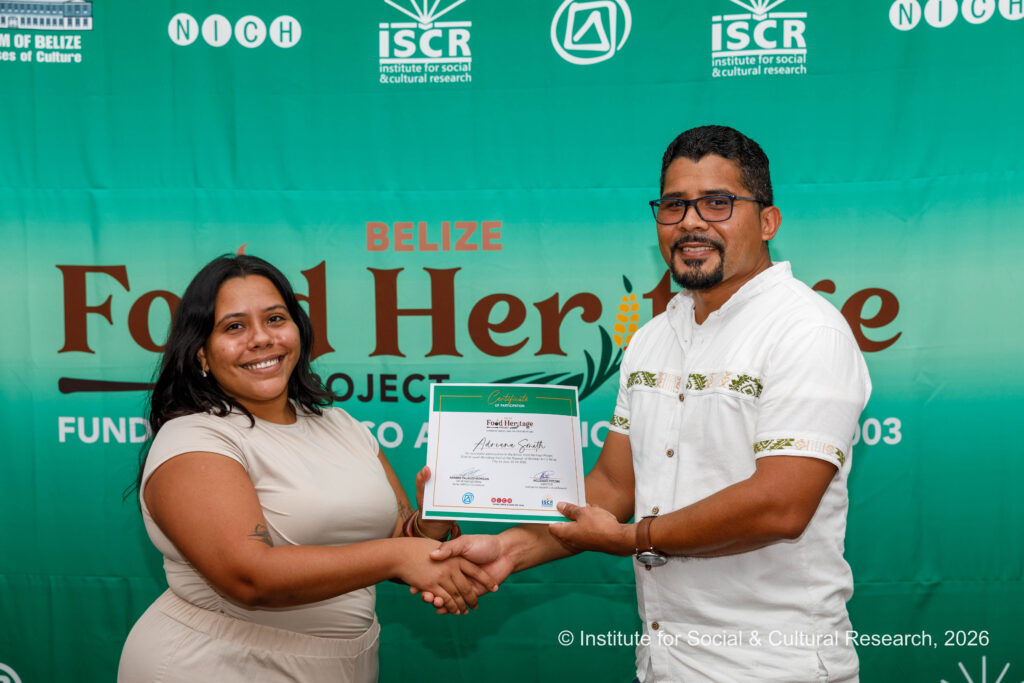
The Belize Living Heritage Programme extends its sincere appreciation to all participants, facilitators, cultural custodians, UNESCO International Fund and the Ministry of Culture whose dedication and generosity made this workshop a success. By sharing their knowledge and embracing community-led safeguarding, they are helping to ensure that Belize’s food heritage remains a vibrant and living expression of the country’s identity.


Recent Comments